
7 Micro-Neighborhood Clues to Spot the Right Miami Home Before You Tour
Finding the right home in Miami isn't just about the address on the listing—it's about the few blocks around it. Two condos can share the same skyline view and still feel completely different day-to-day, depending on how the street moves, what the light does in the afternoon, and how the neighborhood "sounds" when you step outside. If you want to save time (and avoid touring places that look great online but don't fit your lifestyle), start looking for micro-neighborhood clues before you ever schedule a showing. These are the subtle signals that separate "nice" from "this is it."

1) The "two-turn test" for real-life convenience. Map your most common errands—gym, grocery run, coffee, school drop-off, weekend plans—and then zoom in one level closer than you normally would. The clue isn't just drive time; it's whether you need awkward turns, long U-turns, or multiple light cycles to get in and out. In Miami, that friction adds up fast during peak hours. A place that's technically close can still feel far if every trip requires battling one specific intersection.
2) Morning vs. evening energy on the same street. Look at street-view imagery and then cross-check it with time-of-day patterns: where does traffic stack, where do people linger, and where do delivery vehicles pause? A quiet street at 11 a.m. can become a cut-through at 5 p.m. The best fit is often about rhythm—if you work from home, you'll care about daytime noise; if you entertain, you may love a livelier evening pulse nearby.
3) Light, shade, and "heat behavior" around the building. Miami's climate makes microclimate a real factor, not a minor detail. Pay attention to tree canopy, nearby open lots, and water-adjacent breezes. A shaded sidewalk can change how often you actually walk your dog or take an evening stroll. For condos, orientation matters: west-facing units can glow at golden hour, but they can also run warmer and brighter late in the day—something you'll want to factor into comfort, curtains, and energy use.
4) Parking pressure tells a story about daily life. Even if you have assigned parking, check the surrounding blocks for overflow patterns. Streets packed with cars can signal high guest traffic, limited visitor parking, or event spillover. That can be great if you like a social, active feel; it can be exhausting if you crave simplicity. A quick scan of nearby curb usage—plus any permit signage you can see—often reveals whether hosting friends will be easy or a constant logistics puzzle.
Signals You Can Verify With a Quick Walk-By
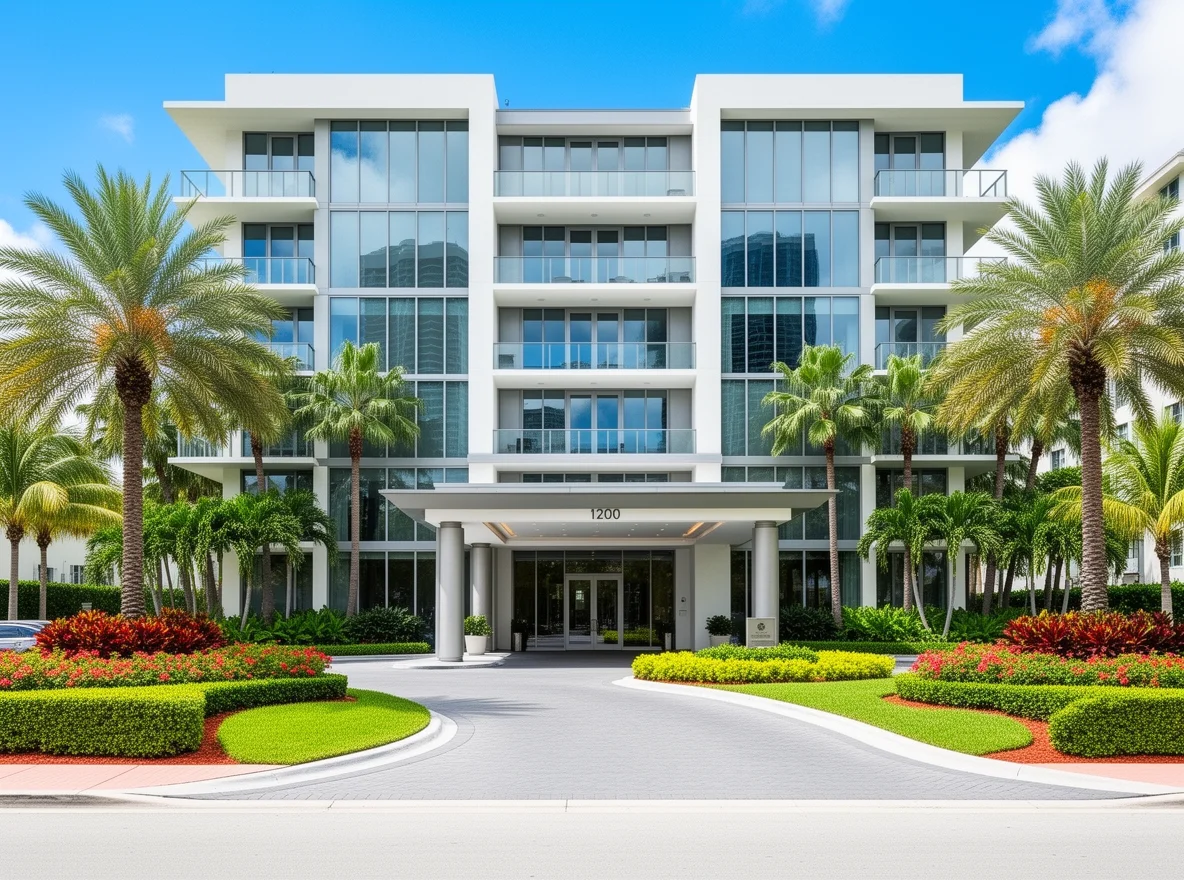
5) Curb appeal isn't just aesthetics—it's maintenance culture. When you walk the block (or even do a drive-by), notice the small upkeep signals: landscaping consistency, lighting, lobby entry cleanliness, and whether common areas look actively cared for. In many luxury pockets, the "standard" is obvious within seconds. A building that stays pristine usually reflects strong management and a community that values long-term quality—two things that can protect your enjoyment and your resale value.
6) Soundscape: what you hear is what you live with. Miami has layers of sound—traffic corridors, nightlife zones, construction cycles, even weekend event routes. Stand outside for two minutes and listen: is it steady road noise, intermittent acceleration, or occasional bursts? Steady noise is often easier to acclimate to than sudden spikes. Also check where service entrances and trash pickup occur; those details can matter more than you'd think if your bedroom faces the wrong side.
7) The "third place" clue: where you'll go when you don't want to be home. The happiest homeowners usually have a favorite nearby escape: a park loop, waterfront path, gym, yoga studio, or a low-key gathering spot. You don't need a packed entertainment district outside your door, but you do want something that makes the neighborhood feel bigger than your square footage. When that third place is close—and easy to reach safely—you'll use it constantly, and it quietly upgrades your daily life.
One extra layer for families: school commutes and after-school flow. Even buyers without kids should pay attention to school-adjacent streets because they can change traffic patterns twice a day. If schools are part of your plan, look beyond ratings and consider practicalities like pickup routes, bus patterns, and how many minutes it takes to get from front door to first bell in real conditions.
How These Clues Translate Into Smarter Shortlists
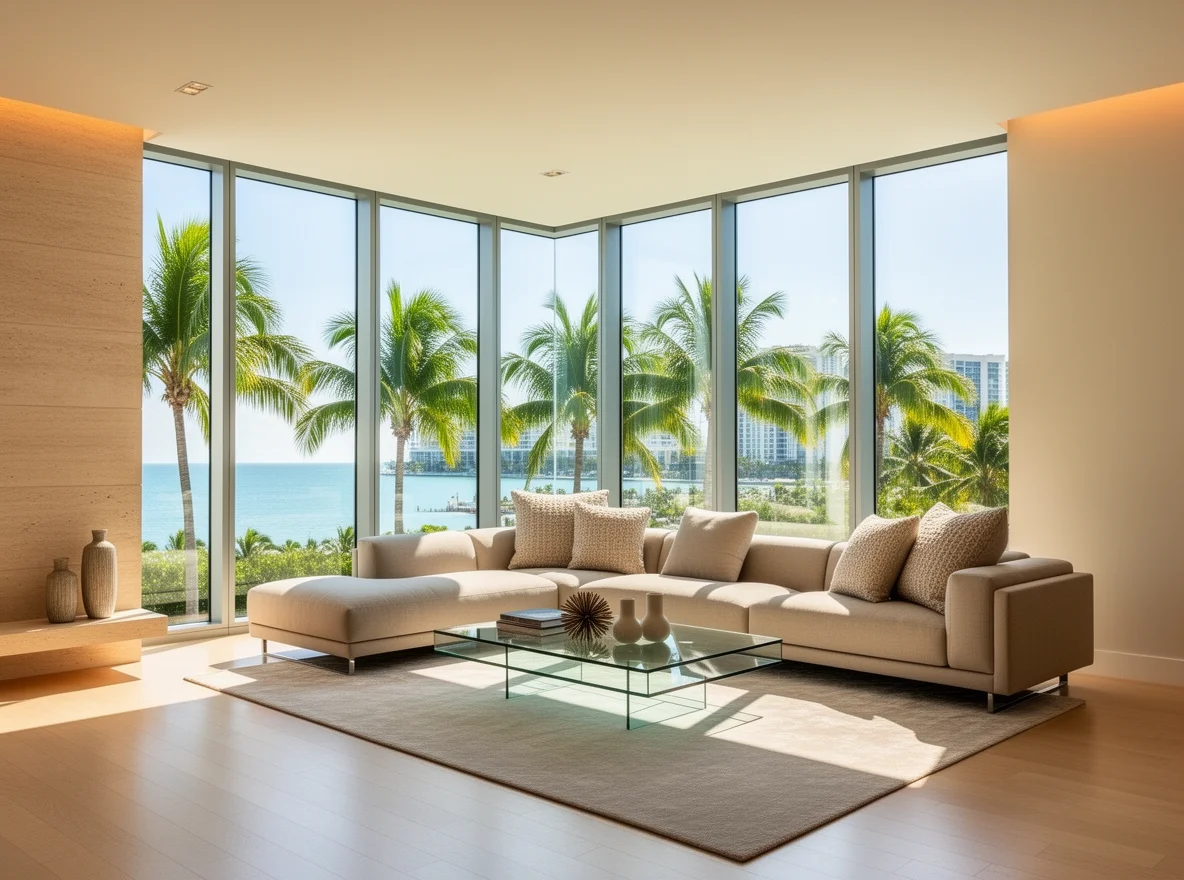
Put these micro-neighborhood signals into a simple scorecard before touring: convenience (two-turn test), daily rhythm (morning/evening), comfort (shade and orientation), ease of hosting (parking), management culture (maintenance cues), livability (soundscape), and lifestyle support (your third place). You'll quickly notice that some listings "win" even before you step inside—because the surrounding blocks match how you actually live. That's how you avoid the common trap of touring ten homes that all look great, while only two truly fit.
In a market where standout properties can move quickly, clarity is leverage. If you can recognize early that a street has the right feel—or that a building's maintenance signals align with long-term value—you can act decisively when the right match appears. This approach also makes trade-offs easier: you may accept a smaller second bedroom if the walkability is effortless, or prioritize a quieter side street even if it means a slightly longer drive to your favorite weekend spots.
At IGA Lux Homes, the goal is always to make the search feel grounded and transparent—less hype, more truth. Ines Gomez-Acebo's relationship-first style means you're not just handed listings; you're guided through the kind of on-the-ground context that helps luxury buyers choose confidently. If you want, you can share a few "must-have" lifestyle anchors (work commute, fitness routine, entertaining style, school plans), and we'll translate them into the micro-neighborhood clues that narrow your shortlist—before your calendar fills up with tours.