Enter city, zip, neighborhood, address…
Average List Price
$1,834,391
Average Price per Sqft
$739
Number of Active Listings
109
New Listings (last 30 days)
27
Average Days on the Market
110
Average Year Build
1956
Recent Transactions
Homes Sold (last 30 days)
19
Average Sale Price (last 30 days)
$1,458,286
Rental Market
Average Rent per month
$5,944
Leafy streets, bay breezes, and two distinct village rhythms
Some mornings call for a shaded walk past well-kept front gardens; others feel better with a quick drive to the water and an easy loop through a park. In this pocket of Northeast Miami, Miami Shores and neighboring El Portal are often considered together because they share a similar “close-in, residential” feel—yet each has its own streetscape, housing mix, and day-to-day pace. If you’re narrowing your search, thinking in terms of this combined segment can help you compare options without losing the details that matter block by block.
As a Florida-licensed real estate advisor, Ines Gomez-Acebo helps buyers and sellers evaluate these micro-neighborhood differences with a practical lens—how a street lives at different times of day, how lots sit relative to sun and traffic, and how quickly you can get to the places you actually go every week.
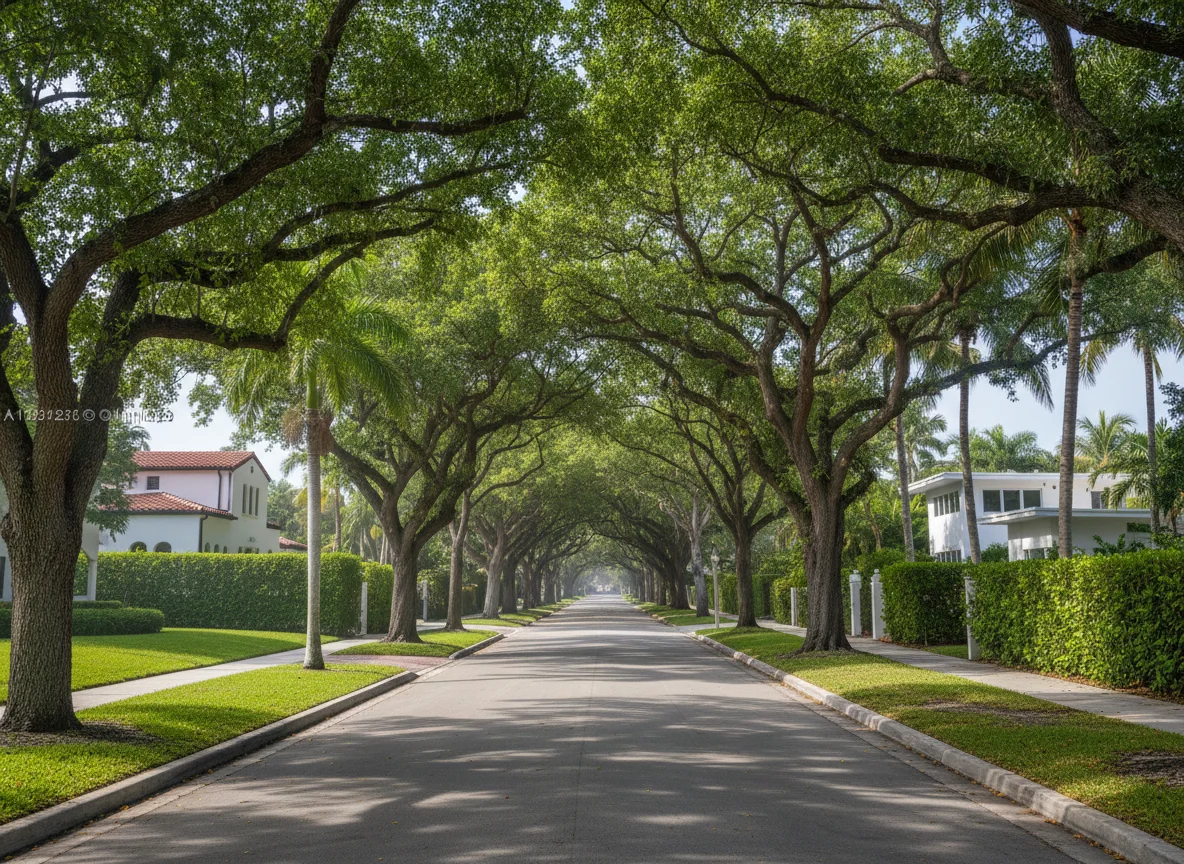
Lifestyle anchors in the segment tend to revolve around outdoor time, quick errands, and easy access to the broader Miami calendar. In Miami Shores, many residents build routines around parks, neighborhood drives, and nearby waterfront-adjacent views that make the bay feel close even when you’re not on the water. El Portal, just to the west/southwest, often feels more tucked-in and residential, with a quieter, more interior neighborhood pattern that still keeps you close to the same major corridors.
Access and commute patterns are a major reason these two are paired. Both offer straightforward routes toward Downtown/Brickell, Miami Beach, the Design District, and the airport via nearby arterials—yet the “last five minutes” home can feel different depending on which side of the segment you choose. In Miami Shores, some streets connect more directly to busier roads; in El Portal, certain pockets can feel more buffered, with fewer through-streets. The best fit often comes down to how you want your daily drive to begin and end.
Everyday conveniences are typically handled with short trips: groceries, fitness, services, and dining options are close, and the broader Miami area expands choices for culture, healthcare, and events. The practical advantage is not needing a long drive for routine tasks—while still having the city’s larger offerings within reach.
Homes, architecture, and what buyers tend to notice
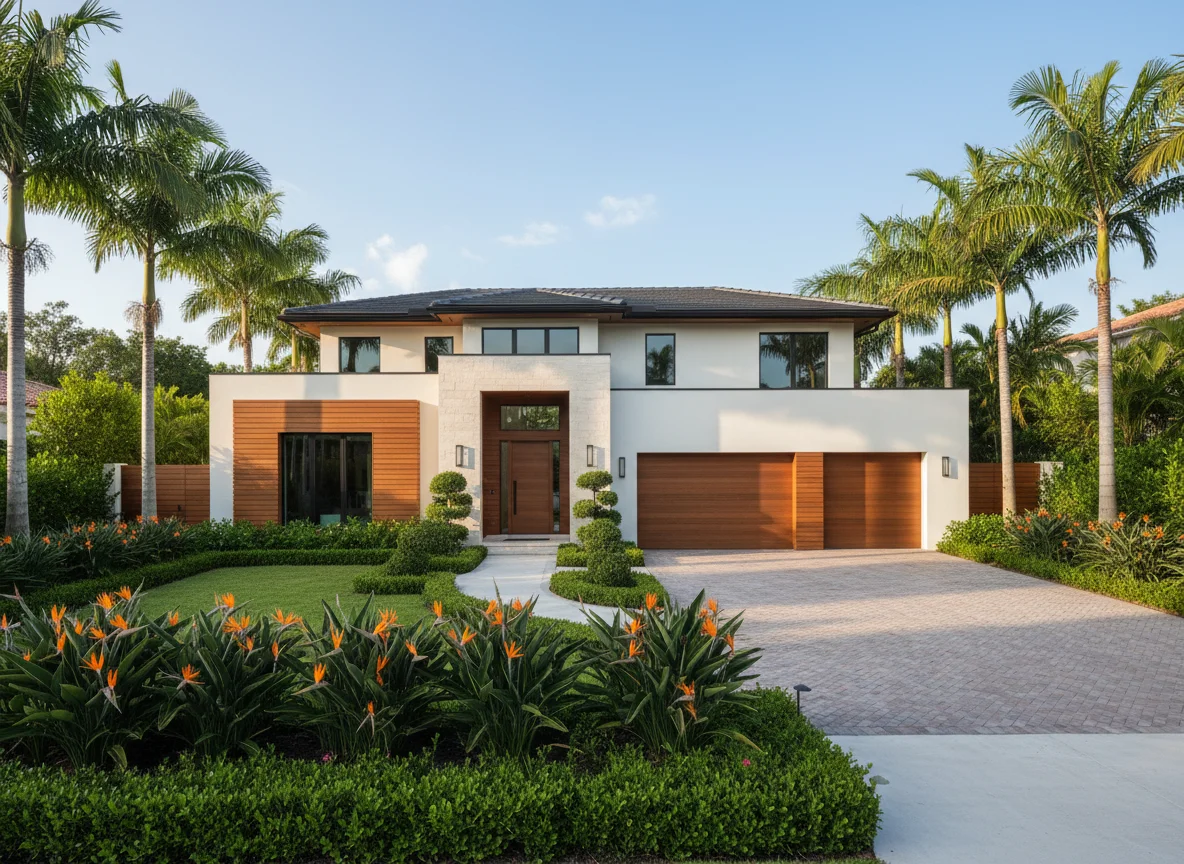
Across the Miami Shores & El Portal segment, the housing stock is primarily residential, with a mix of architectural styles and renovation levels. In Miami Shores, buyers often notice an established streetscape—mature landscaping, consistent curb appeal, and a range of classic Florida designs alongside updated interiors. El Portal can present a slightly different mix depending on the pocket, with some streets feeling more varied in home size and style, and others reading as uniformly residential.
What tends to drive decision-making here is less about a single “typical home” and more about lot characteristics and layout: setback and privacy, indoor-outdoor flow, pool potential, parking configuration, and how the home sits on the lot for light and breezes. Renovation scope matters too—some buyers want turnkey systems and finishes, while others prefer a property that leaves room for a phased plan.
For sellers, positioning is often about clarity: what has been updated, what the lot offers, and how the home lives day to day. For buyers, it’s about matching your non-negotiables to the right street—not just the right square footage.
Compare within the segment: Miami Shores vs. El Portal
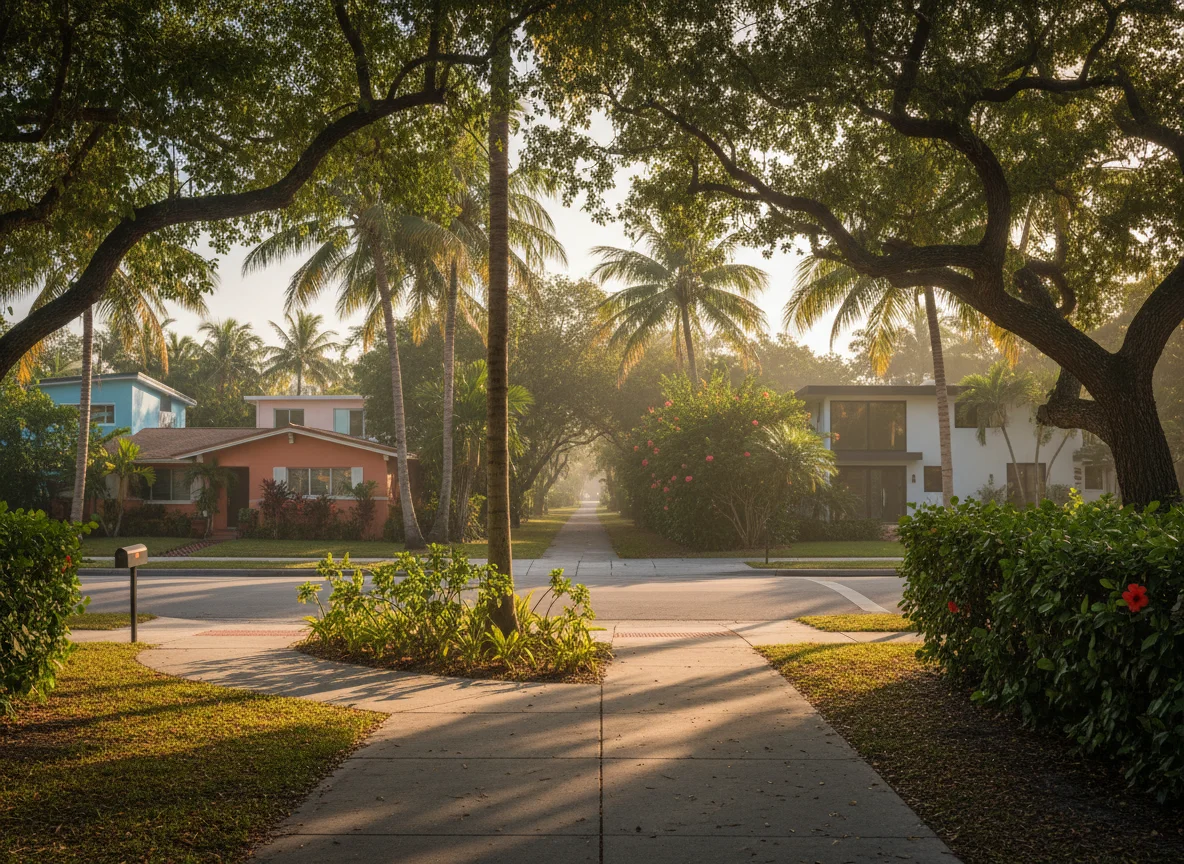
Pace: Miami Shores often feels a bit more “village-forward,” with routines that naturally orbit parks, local stops, and a recognizable neighborhood grid. El Portal can feel more tucked away in certain pockets, with a quieter, more interior residential rhythm—though both remain close to the same major destinations.
Streetscape: Miami Shores is frequently associated with pronounced tree canopy and a curated residential look. El Portal’s streetscape can vary by pocket—some blocks feel similarly leafy and established, while others show more variation in frontage and landscaping.
Housing mix: Both are primarily single-family in feel, but the mix of home sizes, renovation levels, and architectural styles can shift street to street. Comparing two or three specific blocks in each area is often more useful than comparing the municipalities as a whole.
How to choose: a micro-neighborhood checklist
If you’re deciding between Miami Shores and El Portal (or narrowing within either), a short, practical checklist can save time:
Noise rhythm: Visit at morning rush, mid-day, and evening to understand traffic flow and ambient sound near main roads. Lot orientation: Note where the backyard faces for afternoon sun, shade patterns, and how outdoor space will feel in different seasons. Walkability for your routine: Map the walk you’ll actually do—coffee, park loop, school drop-off route, or dog walk—rather than a generic “walkable” label. Daily errands: Time the drive to groceries, gym, and your most frequent destinations; the difference between “close” and “easy” is often a few turns.
If you’d like, Ines Gomez-Acebo can build a tailored shortlist across Miami Shores & El Portal based on your priorities (street feel, lot characteristics, renovation scope, and commute patterns), then coordinate private tour planning so you can compare the right blocks in a single, efficient day.
Map of the area
3D Tour
3D Tour
3D Tour
3D Tour
3D Tour
3D Tour
3D Tour
$18,000
5
4
3,143 Sq ft
ACTIVE
MLS# A12033280
3D Tour
3D Tour
3D Tour
3D Tour
3D Tour
Miami Shores & El Portal Listings
Beds
Descending
12
$2,490,000
3
3
2,967 Sq ft
ACTIVE
MLS# A12043289
Listing Office: Maggi Realty Group
$2,000
1
1
600 Sq ft
CONTRACT
MLS# A12065758
Listing Office: Reiter Realty, LLC
$5,575
3
2
1,405 Sq ft
ACTIVE
MLS# A11972798
Listing Office: Keller Williams Capital Realty
$5,950
3
2
1,665 Sq ft
ACTIVE
MLS# A11887224
Listing Office: US Habitat Group
$5,775
3
2
1,500 Sq ft
ACTIVE
MLS# A12022837
Listing Office: Keller Williams Capital Realty
$6,495,000
4
5
4,938 Sq ft
ACTIVE
MLS# A11974146
Listing Office: Coldwell Banker Realty
$18,000
5
4
3,143 Sq ft
ACTIVE
MLS# A12033280
Listing Office: DK Global Investments LLC
$1,250,000
3
2
1,920 Sq ft
CONTRACT
MLS# A12023146
Listing Office: Coldwell Banker Realty
$2,499,000
4
3
2,960 Sq ft
ACTIVE
MLS# A11977534
Listing Office: Maggi Realty Group
$1,500,000
3
2
1,833 Sq ft
ACTIVE
MLS# A11994503
Listing Office: Casa Blanca Properties of Florida
$4,950
3
2
1,146 Sq ft
ACTIVE
MLS# A12063983
Listing Office: Lokation
$1,525,000
3
3
2,653 Sq ft
ACTIVE
MLS# A12051180
Listing Office: Douglas Elliman
No results found
Please remove some of the selected filters.

MIAMI Association of REALTORS® is not responsible for the accuracy of the information listed above. The data relating to real estate for sale on this website comes in part from the Internet Data Exchange Program and the South East Florida Regional MLS and is provided here for consumers' personal, non-commercial use. It may not be used for any purpose other than to identify prospective properties consumers may be interested in purchasing. Real estate listings held by brokerage firms other than the office owning this website are marked with the IDX logo and detailed information about them includes the name of the listing brokers. Data provided is deemed reliable but not guaranteed. Copyright MIAMI Association of REALTORS®, MLS All rights reserved. Updated: 24th August, 2026 11:50 PM (UTC)