
1. Not All Waterfront Properties Offer the Same Lifestyle
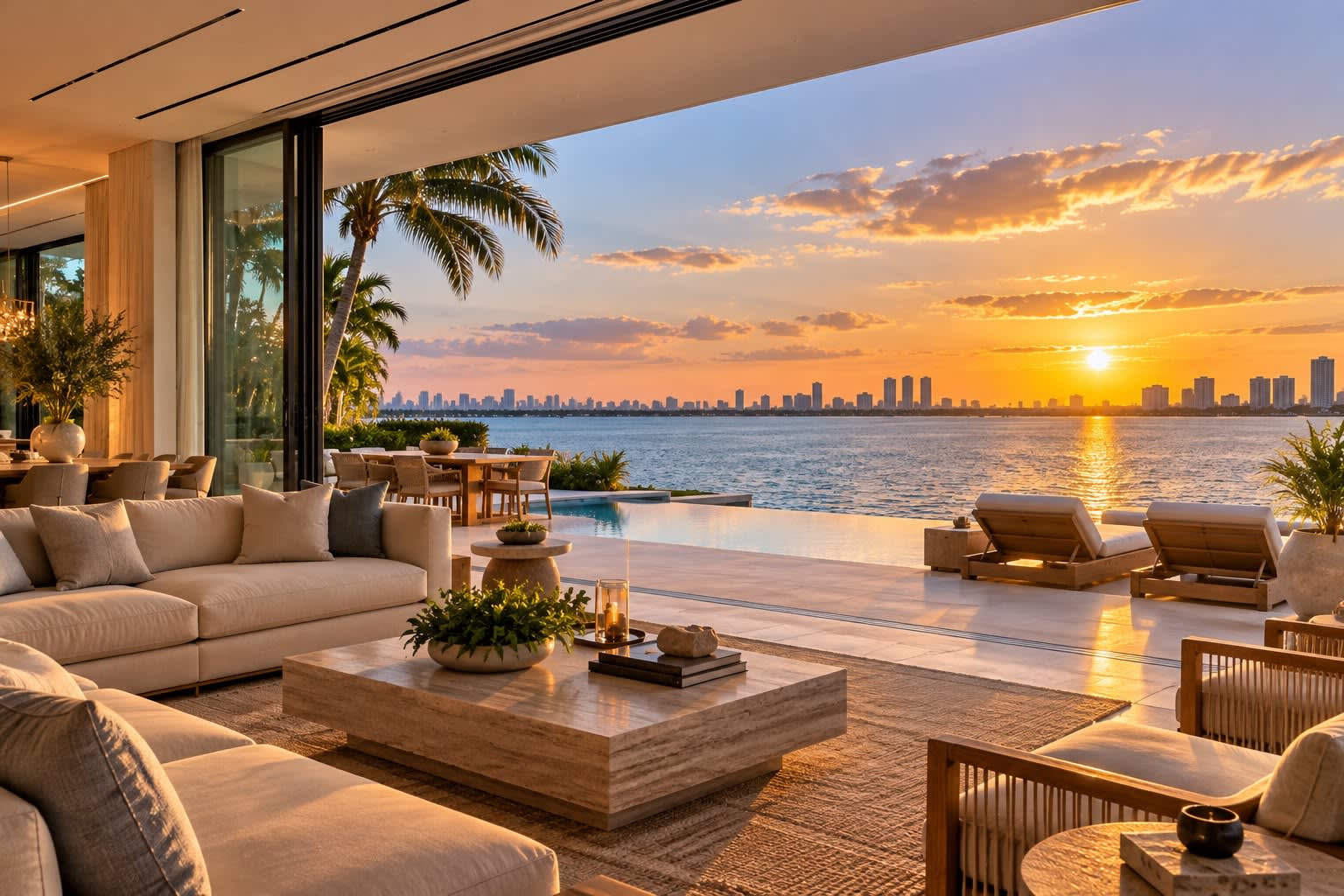
One of the first distinctions I make when evaluating a waterfront home is between a property that offers beautiful water views and one that provides genuine access to the water.
A residence overlooking Biscayne Bay may deliver extraordinary scenery and privacy, while a canal-front home could offer something entirely different: the ability to keep a boat just steps from the house.
For buyers who enjoy boating, the details become particularly important. Canal depth, bridge clearances, tidal conditions and the route to open water can determine whether a property accommodates the boat they own — or hope to own.
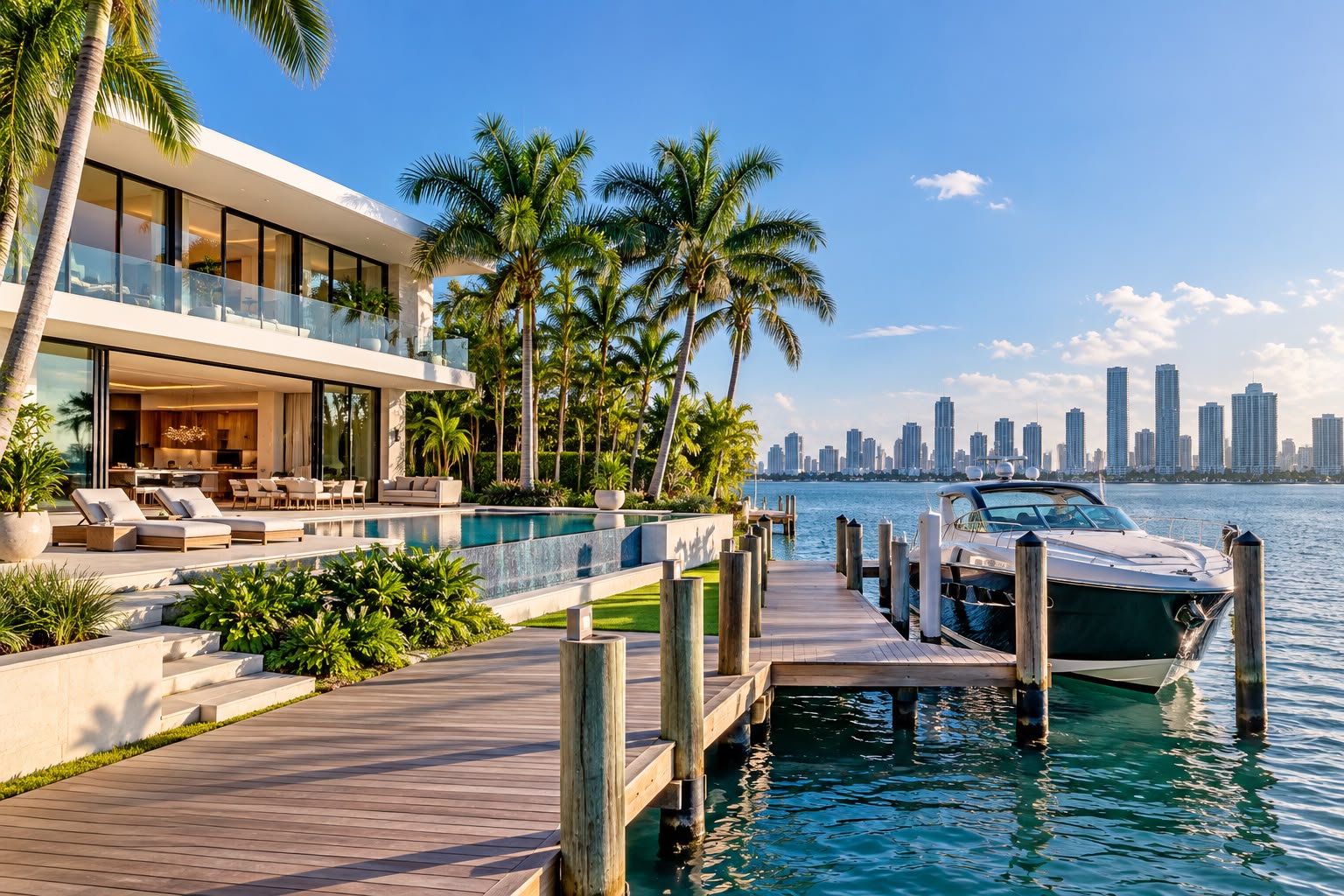
A home advertised as having ocean access does not necessarily provide convenient access for every vessel. Some routes involve fixed bridges, shallow waterways or considerable travel time before reaching open water.
The orientation of the property also shapes everyday life. Morning versus afternoon sun, prevailing winds, exposure to boat traffic and the relationship with neighboring homes all influence how the outdoor spaces feel.
The right waterfront property is therefore not simply the one with the most impressive view. It is the one that supports the way its owner actually wants to live.
2. What Lies Between the House and the Water Matters
A beautiful waterfront terrace can easily capture a buyer’s attention. Yet some of the most important components of a waterfront property are the ones that receive the least attention during a showing.
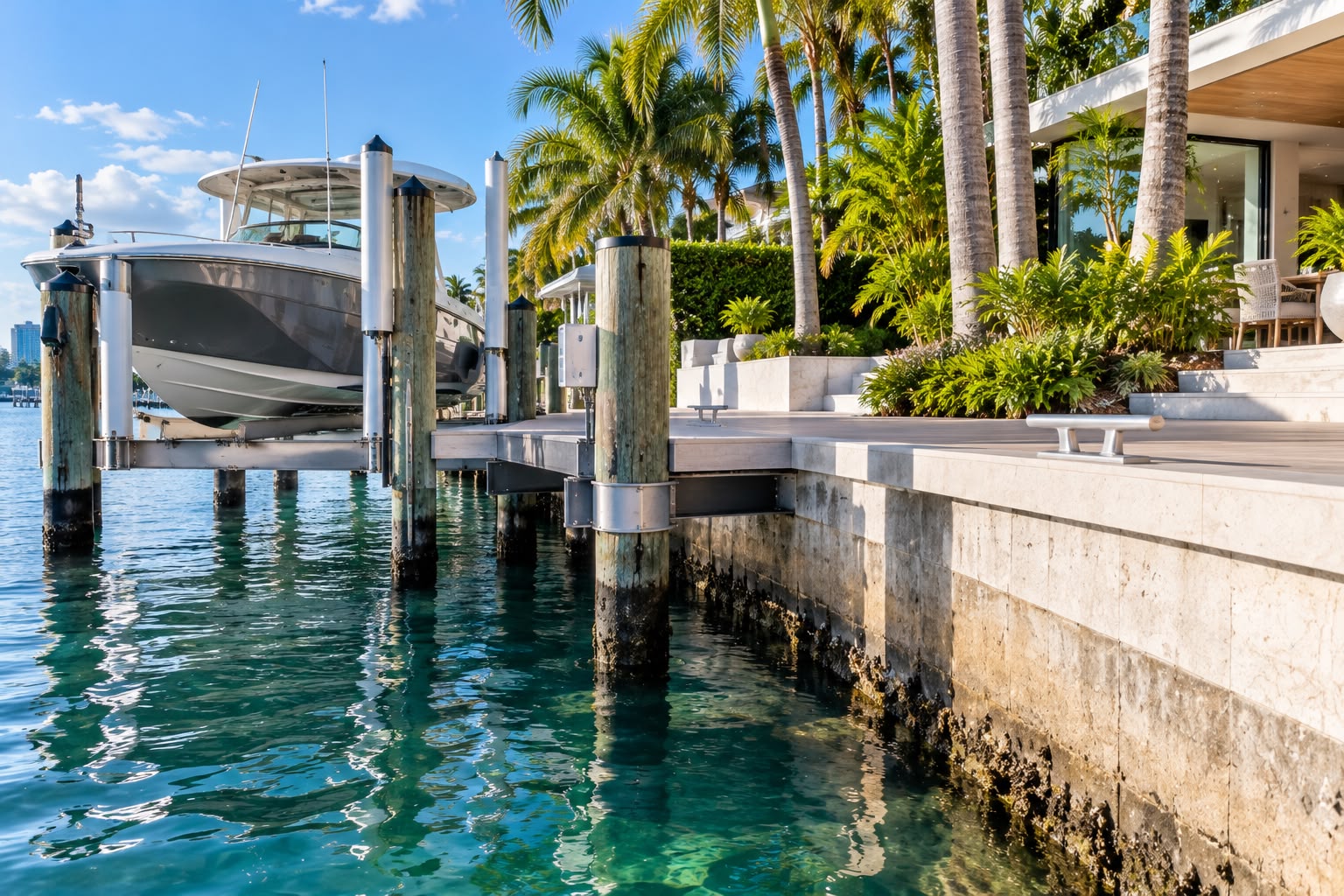
The seawall is a particularly important example. Its condition, age, structural integrity and maintenance history deserve careful evaluation because repairs or replacement can represent a substantial investment.
The same applies to docks, boat lifts and other marine structures. Buyers should establish whether existing improvements were properly permitted and whether any proposed modifications would be feasible under applicable regulations.
In Miami-Dade County, many types of coastal construction, including seawalls, docks and boat lifts, require environmental permitting. The ability to build or modify these features should never be assumed simply because neighboring properties have them.
Waterfront ownership also requires a closer look at flood exposure, property elevation and insurance. These factors can vary significantly between properties, even within the same neighborhood.
Before committing to a purchase, buyers should understand not only the property’s physical condition but also its long-term ownership costs. A thorough inspection, appropriate specialist evaluations and insurance quotations are essential parts of waterfront due diligence.
3. The Best Waterfront Purchase Balances Lifestyle and Practicality
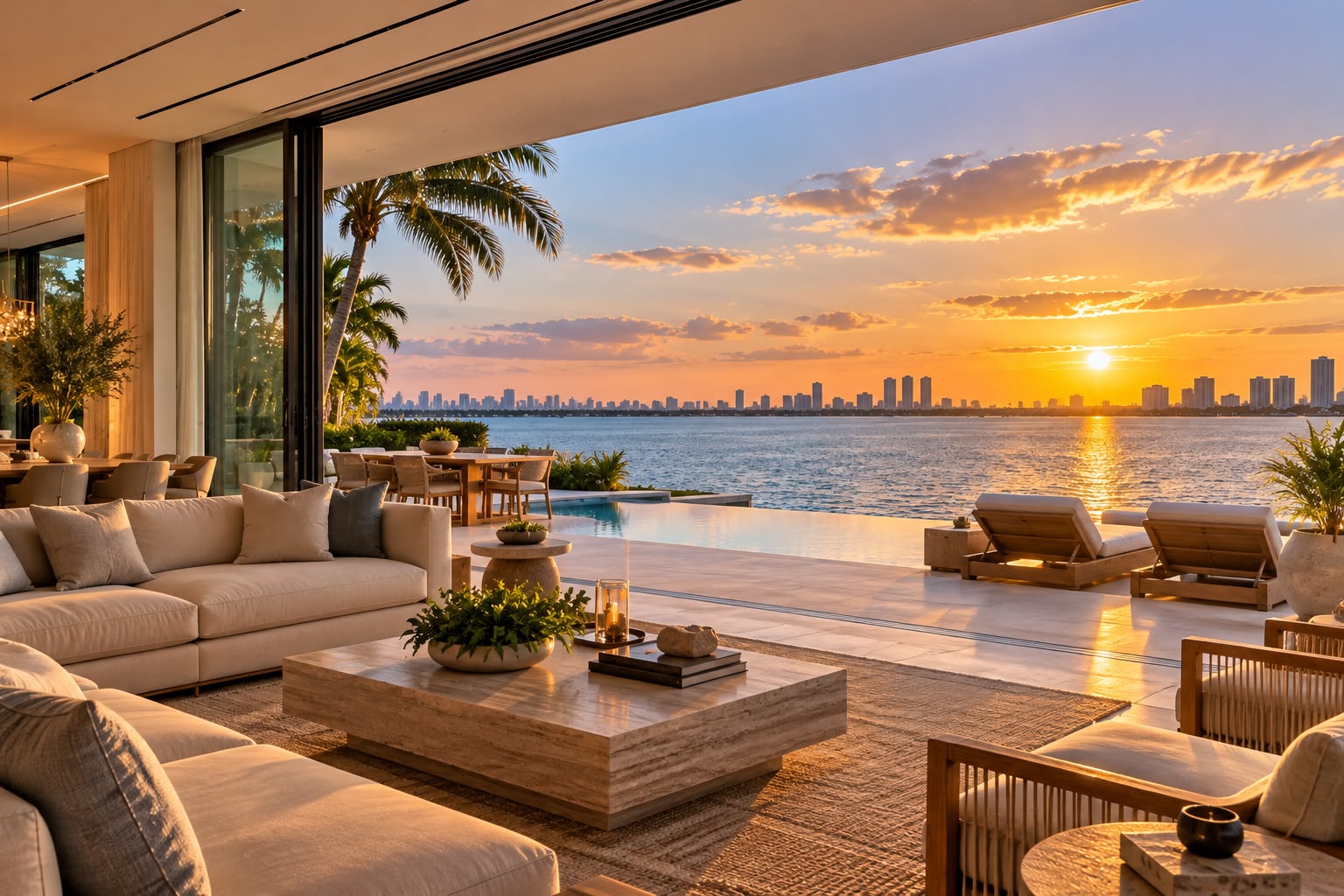
Miami offers several distinct waterfront environments, each with its own character. A home on the open bay provides a different experience from a residence along a protected canal or a property situated on one of Miami Beach’s residential islands.
Some buyers prioritize sweeping views and dramatic architecture. Others value privacy, calm water, boating convenience or the ability to entertain outdoors throughout the year.
Understanding these priorities early in the search makes it easier to distinguish between a property that looks exceptional in photographs and one that will genuinely suit its future owner.
Practical considerations also influence the long-term experience. Saltwater exposure, landscaping, outdoor materials, maintenance requirements and the condition of marine infrastructure all deserve attention.
For buyers considering renovations, it is equally important to investigate what can realistically be changed. Floodplain requirements, local regulations and permitting restrictions may affect future improvements, particularly on older waterfront properties.
Ultimately, the strongest waterfront purchases combine an extraordinary setting with a clear understanding of the responsibilities and opportunities that come with owning it.
Closing Thought
Waterfront living is one of the experiences that makes Miami such an exceptional place to call home.
But buying on the water requires more than falling in love with a view.
The details matter: the accessibility of the water, the condition of the marine structures, the property’s exposure, the cost of ownership and the possibilities for future improvements.
My approach is to help buyers look beyond the first impression and understand what they are truly purchasing.
Because the goal is not simply to own a beautiful waterfront home.
It is to find the waterfront home that is right for you.