Looking Beyond the First Impression
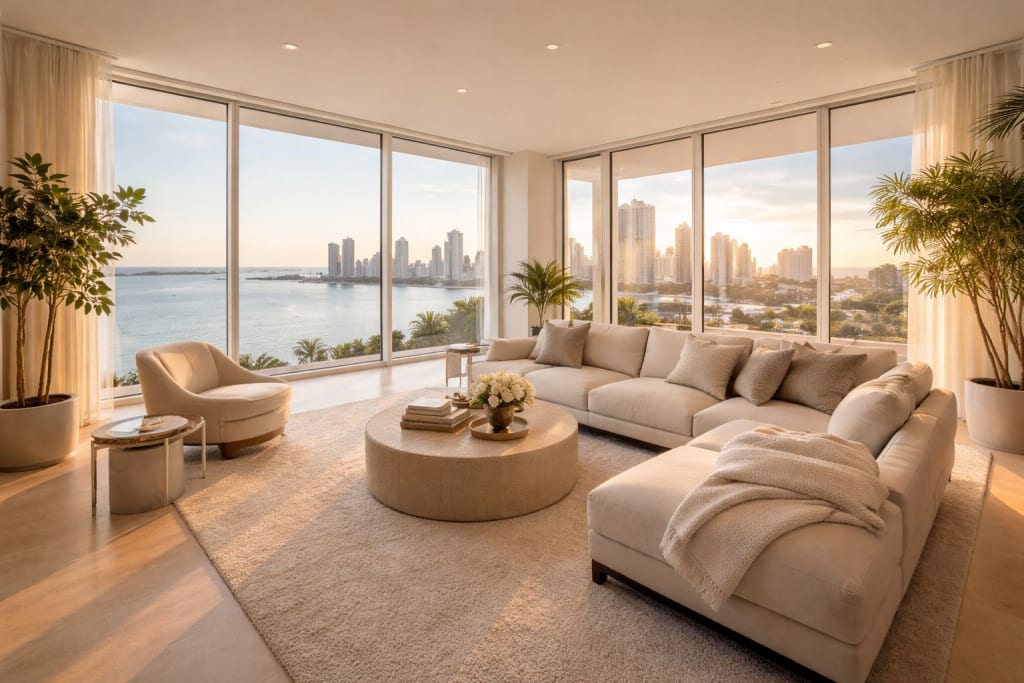
Buying a property in Miami often begins with a feeling. You walk into a space, notice the light, the layout, the finishes — and within seconds, you start imagining what it would be like to live there. That initial connection is powerful, and it naturally becomes part of the decision-making process.
However, what you see during a showing is only part of the story. Behind every well-presented property, there are elements that are not immediately visible — from how the building has been maintained over time to the financial health of the association or the overall condition of the structure.
In a market like Miami, where presentation plays such a strong role, two properties can appear very similar on the surface while offering completely different realities once you look deeper. That’s why moving beyond the first impression is not just helpful — it’s essential.
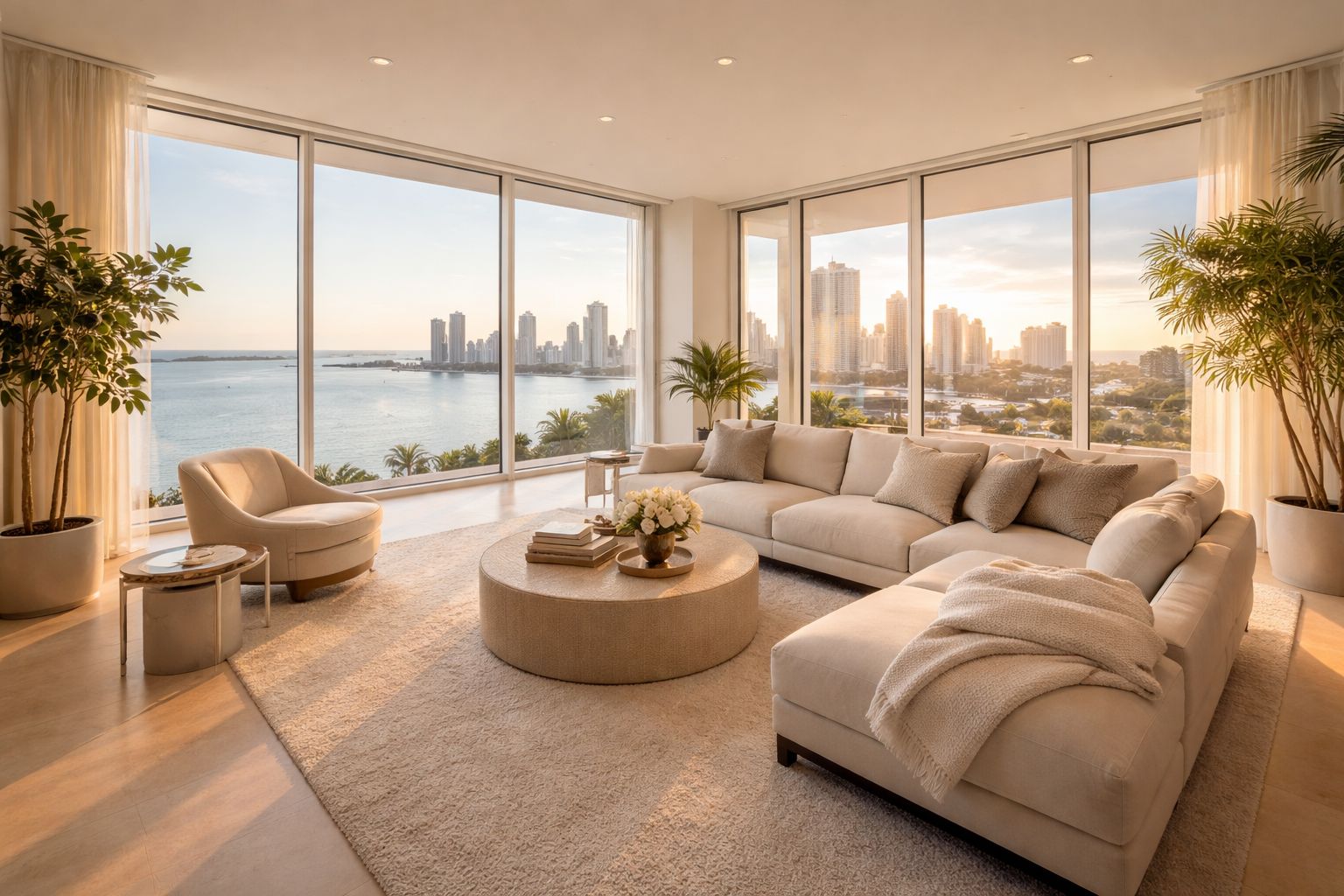
What often goes unnoticed during a first visit is how much of a property’s value is defined by elements that are not immediately visible.
Beyond the finishes and staging, there is a layer of information that requires a more attentive approach — details that don’t necessarily stand out, but that shape the overall quality and long-term experience of the property.
Buyers who take the time to look beyond what is presented tend to gain a much clearer understanding of what they are actually acquiring.
Because in real estate, what you don’t see at first glance is often just as important as what you do.
Understanding the True Cost of Ownership
For many buyers, the starting point is the purchase price. It’s the number that defines the search, shapes expectations, and often becomes the main reference when evaluating different options.
However, owning a property in Miami goes far beyond that initial figure. There are ongoing costs — some predictable, others less so — that can significantly influence the overall financial picture over time.
Property taxes, insurance, association fees, and maintenance are all part of the equation, and they don’t always remain constant. Understanding how these elements interact is essential to gaining a realistic view of what owning a property will actually feel like in the long term.

Looking only at the purchase price can create a sense of clarity that doesn’t fully reflect reality.
The true cost of ownership reveals itself over time, through a combination of recurring expenses and variables that can shift depending on the property and its context.
Taking these factors into account from the beginning allows buyers to move forward with a more complete and balanced perspective.
Because in the end, a property is not just defined by what it costs to buy — but by what it costs to hold.
The Role of Timing and Process
Beyond the property itself, timing plays a crucial role in any real estate transaction. Each step — from making an offer to completing inspections and securing financing — follows a sequence that requires attention and coordination.
While the process may appear straightforward from the outside, it involves multiple moving parts that need to align. Small delays or misunderstandings can quickly create unnecessary complications, especially in a market as active as Miami.
Approaching the process with a clear understanding of how each stage connects to the next allows buyers to move forward with greater confidence and avoid disruptions along the way.

What many buyers underestimate is how much the experience depends on timing.
Each step in the process carries its own rhythm, and staying aligned with those timelines can make a significant difference in how smoothly everything unfolds.
Understanding not just what to do, but when to do it, is often what separates a seamless transaction from a stressful one.
Because in real estate, timing is not just a detail — it’s a defining factor..
A well-informed approach doesn’t remove uncertainty completely — but it does replace surprises with clarity.
And that shift alone can change the entire experience of buying.
Closing Thought: What Defines a Good Purchase
In Miami’s real estate market, the most important aspects of a purchase are not always the most visible ones.
Beyond the aesthetics and the initial numbers, there is a deeper layer that shapes the real experience of owning a property — from the underlying costs to the timing and structure of the process itself.
Buyers who take the time to understand these elements tend to make decisions that feel not only right in the moment, but sustainable over time.
Because ultimately, a good purchase is not just about the property you choose —
but about how well you understand everything that comes with it.