Biscayne Park Seller Playbook: 5 Prep Moves That Protect Your Price
Getting a home ready to sell isn't about making it look "nice"—it's about removing the little objections that quietly shave dollars off offers. In Biscayne Park, where buyers often arrive with high expectations and sharp eyes, preparation becomes a pricing strategy. The good news: you don't need a full renovation to protect your number. You need a plan that targets the places buyers assign value (and where they get nervous).
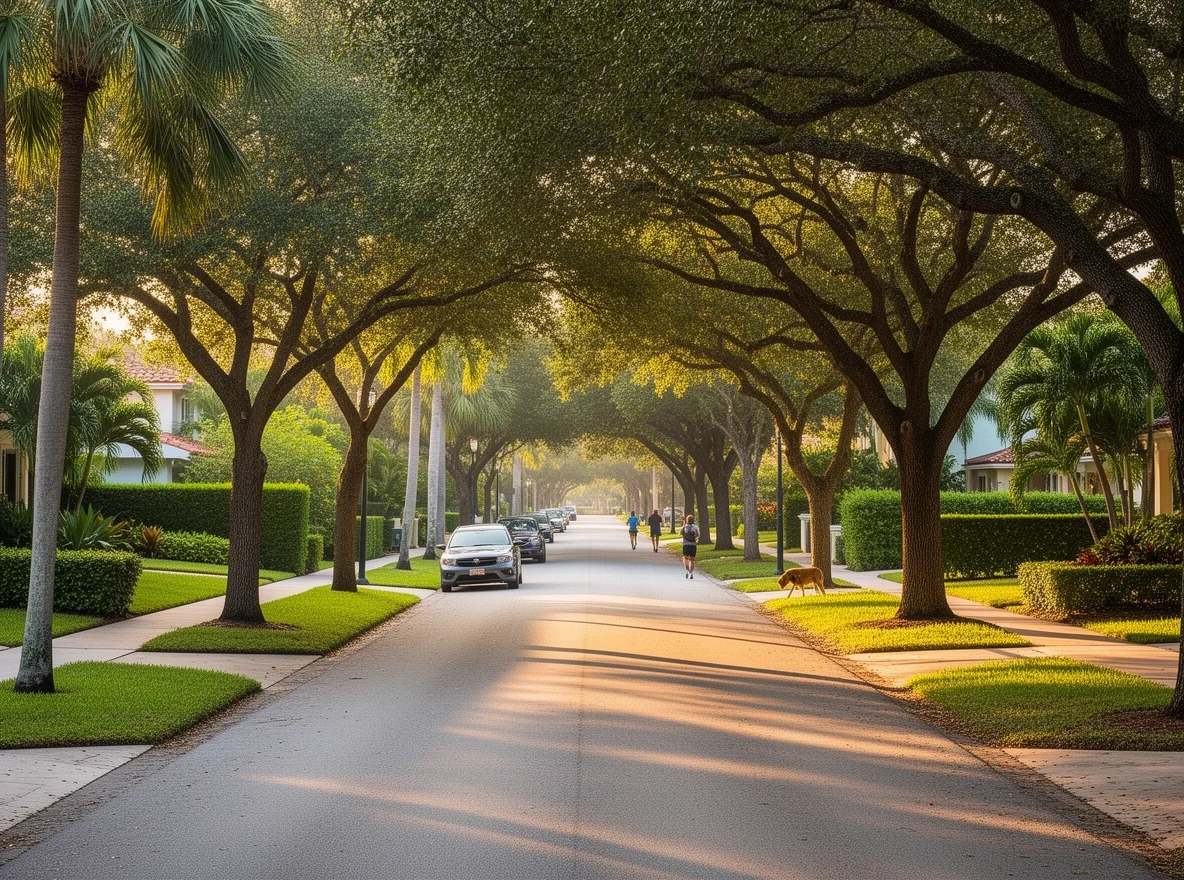
This pocket of Miami-Dade feels neighborly and calm, yet close to big-city energy—so buyers tend to compare homes here against both tranquil suburban standards and luxury-market polish. That means condition, presentation, and documentation matter. When a property feels "turnkey," it doesn't just attract more showings; it invites stronger opening offers and better terms.
At IGA Lux Homes, Ines Gomez-Acebo takes a referral-driven, relationship-focused approach that's built around protecting clients from the costly missteps that happen when prep is rushed or random. Below are five practical moves that consistently help sellers hold the line on price—without over-improving for the neighborhood.
Prep Move #1: Win the first 10 seconds—curb appeal with intention
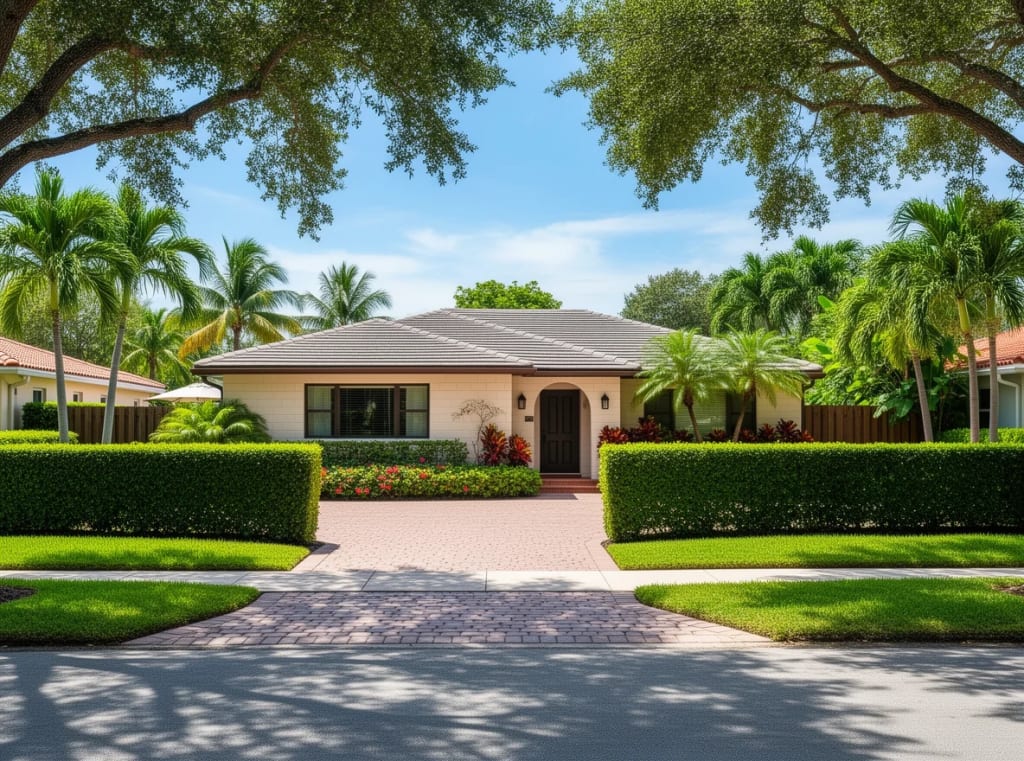
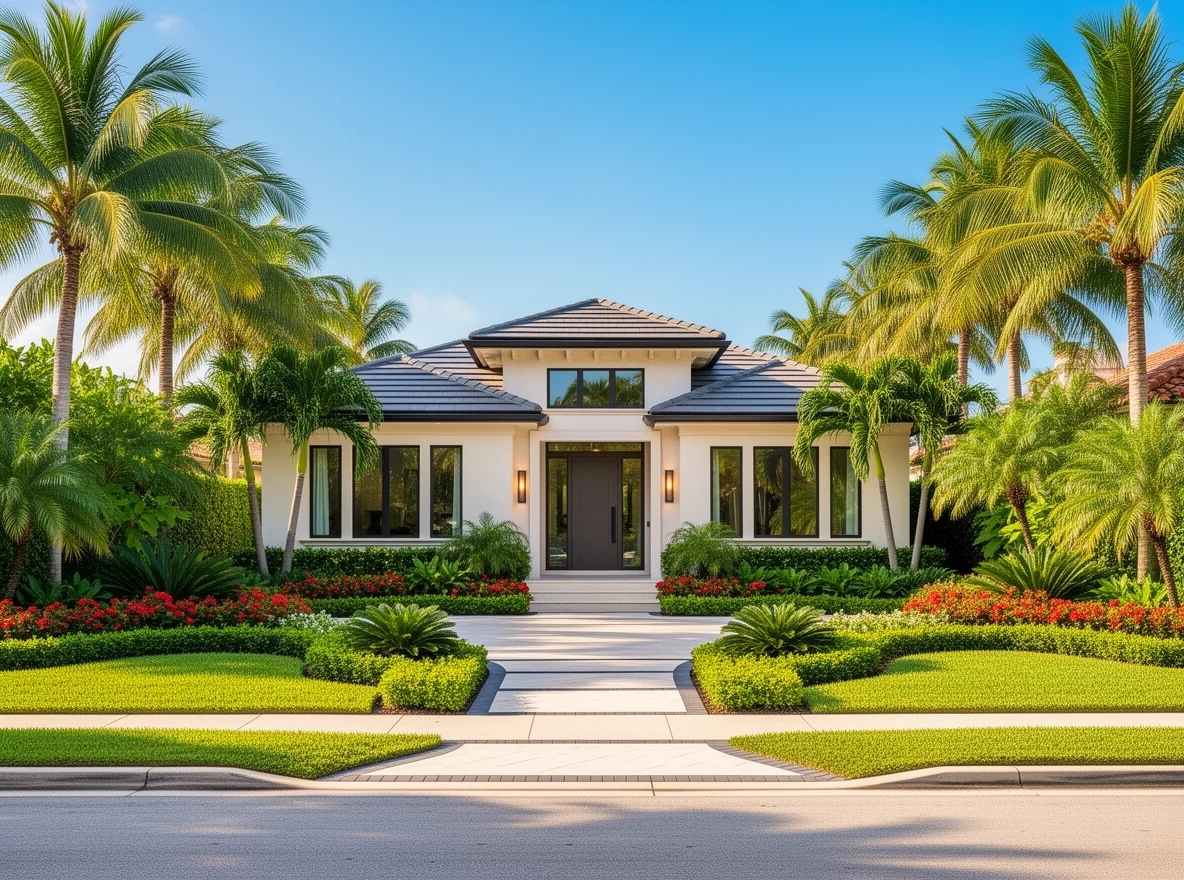
Buyers decide how "well cared for" a home is before they touch the doorknob. Start with the front approach: trim landscaping to reveal the architecture, edge the walkways, refresh mulch, and make sure lighting feels warm and functional. If the entry paint is tired or the hardware is dated, those small cues can create a "what else is hiding?" feeling that lingers through the tour.
Focus on quick, high-return upgrades: pressure washing, touching up exterior paint where it's visibly worn, replacing a dated mailbox, and ensuring the driveway and pavers look clean and uniform. In tropical South Florida conditions, visible mildew or chalky paint can read as deferred maintenance—even if the home is structurally solid.
Finally, aim for consistency. If the exterior promises "fresh and elevated," the interior needs to deliver that same promise the moment the door opens. That alignment is what keeps buyers from mentally discounting your home against competing listings.
Prep Move #2: Fix the "silent negotiators" buyers use to justify discounts
Most price reductions don't come from one dramatic flaw; they come from a stack of small issues that make a home feel risky. Think: sticky doors, slow drains, hairline drywall cracks that look suspicious, loose outlets, a rattling ceiling fan, or an HVAC that seems loud during a showing. Individually, these are minor. Collectively, they become leverage.
Rule of thumb: if a buyer can point at it during a walkthrough, it can become a line item in negotiations later. A pre-list punch list—handled before photography and showings—reduces the odds of inspection surprises and keeps the conversation focused on the home's strengths instead of its to-do list.
Prioritize anything related to water (caulking, under-sink leaks, shower grout, exterior drainage), because water concerns trigger the biggest emotional reactions. Even in homes that are otherwise beautifully updated, water-related uncertainty can cause buyers to pad their offer "just in case."
Prep Move #3: Stage for lifestyle—light, flow, and "easy living"
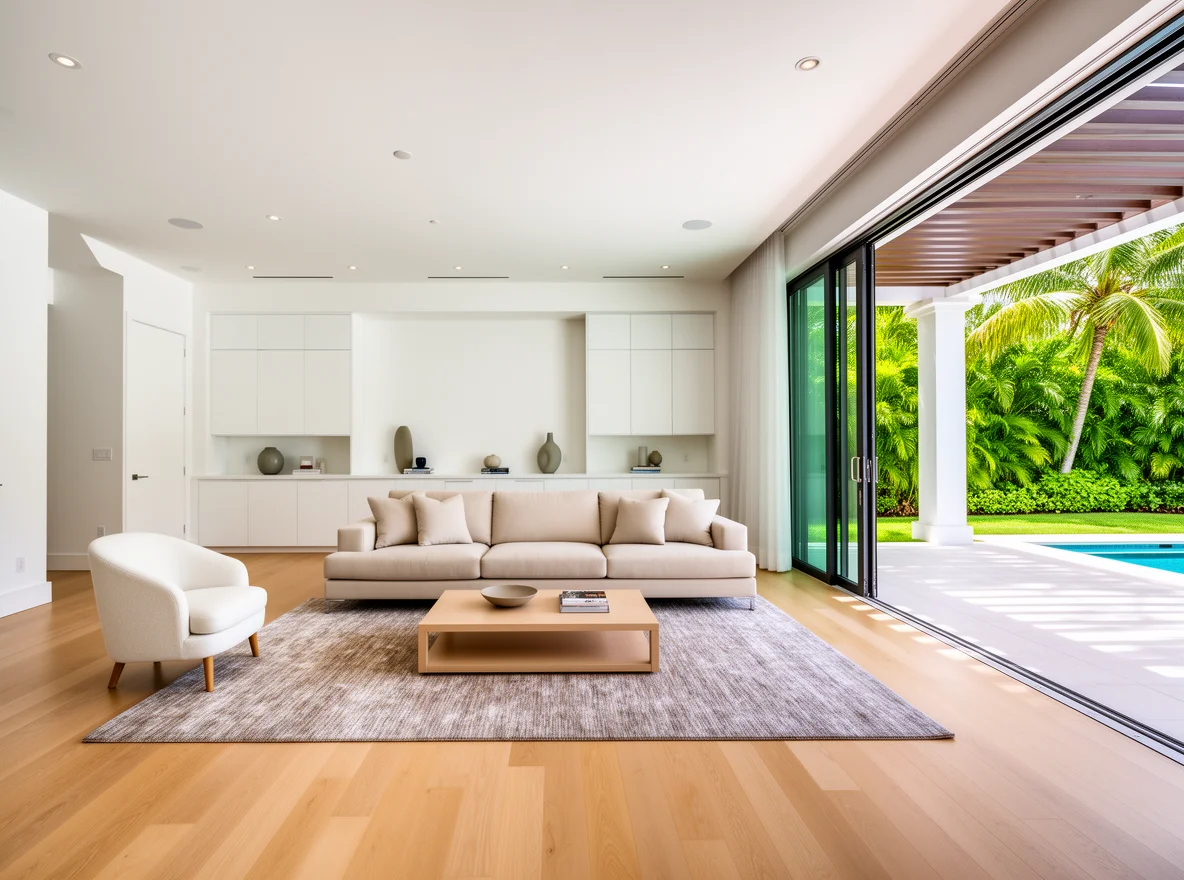
In Biscayne Park, buyers often want a home that feels calm, airy, and ready for both relaxed evenings and entertaining. Staging isn't about decorating; it's about clarifying how the home lives. Create clean pathways, define ambiguous spaces (a nook becomes a reading area, a wide landing becomes a desk spot), and scale furniture so rooms feel appropriately sized.
Light is a premium feature in South Florida. Replace mismatched bulbs with consistent warm-white lighting, open up window treatments where privacy allows, and consider sheer panels that soften sunlight without darkening rooms. Mirrors and simple, modern fixtures can help spaces read brighter and more current—without a major remodel.
Decluttering is the non-negotiable. Clear counters, reduce oversized personal collections, and edit closet contents to about 60–70% full so storage looks abundant. A buyer who feels like there's "room to breathe" is a buyer who feels confident paying a premium.
If the home has indoor-outdoor areas, make them feel usable: clean patio surfaces, add simple seating, and present the yard as an extension of the living space. Even a modest outdoor setup can shift the buyer's mindset from "house" to "lifestyle," which is where top-of-market offers come from.
Prep Move #4: Create a "trust file" before anyone asks for it
Luxury and high-end buyers don't just buy finishes; they buy certainty. One of the strongest ways to protect your price is to reduce perceived risk with documentation. Gather permits, warranties, appliance receipts, roof and HVAC service history, survey (if available), and a list of improvements with dates. When a buyer feels informed, they're less likely to negotiate defensively.
Consider a pre-list inspection or targeted specialist checks if you suspect issues (roof, plumbing, electrical). This doesn't mean you must fix everything; it means you control timing and scope rather than reacting under pressure. A calm, prepared seller often negotiates from a stronger position than a surprised seller—especially when multiple offers are in play.
This is where an ethical, advisor-first approach matters. A relationship-focused agent can help you decide what to disclose, what to repair, and what to price in—so you're protected legally and financially while still presenting the home in its best light.
Prep Move #5: Align your prep with the market—then launch with precision
Preparation only protects price if it's matched to what buyers are paying for right now. In fast-moving moments, buyers may overlook minor cosmetic quirks—but they still punish uncertainty and poor presentation. In more selective periods, the gap between "move-in ready" and "needs work" becomes wider, and buyers may wait for the one home that feels effortless.
Talk through comps with an eye toward condition and experience. Two homes can be similar in size, yet one earns a higher number because it photographs cleanly, shows easily, and feels cared for. Strategic prep also supports your marketing: crisp photos, a coherent story, and a showing experience that makes buyers linger. The longer they linger, the more they imagine living there—and the less they want to lose it.
A final note on pricing protection: don't let prep drag on indefinitely. The goal is to hit the sweet spot—address the high-impact items, avoid overbuilding for the neighborhood, and list while the home looks its absolute best. Momentum is real, and your strongest leverage often comes early, when the listing is fresh and demand is highest.
Closing Thought: Prep isn't cosmetic—it's negotiation insurance
When you treat preparation as a buyer-psychology game (not a renovation contest), you keep more power at the table. These five moves—curb appeal, eliminating silent negotiators, lifestyle-forward staging, building a trust file, and syncing prep with market timing—work together to protect your price and your peace of mind. If you want a plan tailored to your home's specific strengths in Biscayne Park, IGA Lux Homes and Ines Gomez-Acebo can help you prioritize the right improvements, avoid wasted spend, and launch with the confidence that you're asking for the number your home truly deserves.